Periodic Table of Plants
Click on any botanical source to explore its color spectrum, lightfastness rating, and chemical characteristics
Click on any botanical source to explore its color spectrum, lightfastness rating, and chemical characteristics
Color Range: Red to orange tones
#8B2635, #A63D3D, #C45B3D
Lightfastness: Excellent (8/10)
Primary Compound: Alizarin
Best For: Cotton, linen, silk
Color Range: Yellow to golden tones
#F4D03F, #F7DC6F, #F9E79F
Lightfastness: Good (6/10)
Primary Compound: Lutein
Best For: Wool, silk
Color Range: Deep blue to blue-gray
#2E4057, #3D5A80, #4A6FA5
Lightfastness: Excellent (9/10)
Primary Compound: Indigotin
Best For: All natural fibers
Color Range: Brown to dark brown
#5D4037, #6D4C41, #8D6E63
Lightfastness: Very Good (7/10)
Primary Compound: Juglone
Best For: Cotton, wool
Color Range: pH-dependent (pink to green)
#E91E63 (acidic), #7DAA92 (neutral), #2E4057 (alkaline)
Lightfastness: Moderate (5/10)
Primary Compound: Anthocyanin
Best For: Experimental applications
Color Range: Bright yellow to orange
#FFC107, #FFB300, #FFA000
Lightfastness: Fair (4/10)
Primary Compound: Curcumin
Best For: Temporary applications
Click on any pigment above to view detailed information about its color spectrum, lightfastness rating, and recommended applications.
Understanding how acidity and alkalinity affect color expression
Many plant-based dyes contain anthocyanin compounds that change color based on the pH level of the dye solution. The equilibrium between different molecular forms follows the Henderson-Hasselbalch equation:
pH = pKa + log10([A-]/[HA])
By adjusting pH, the same plant source can produce dramatically different colors, expanding the palette available from botanical materials.
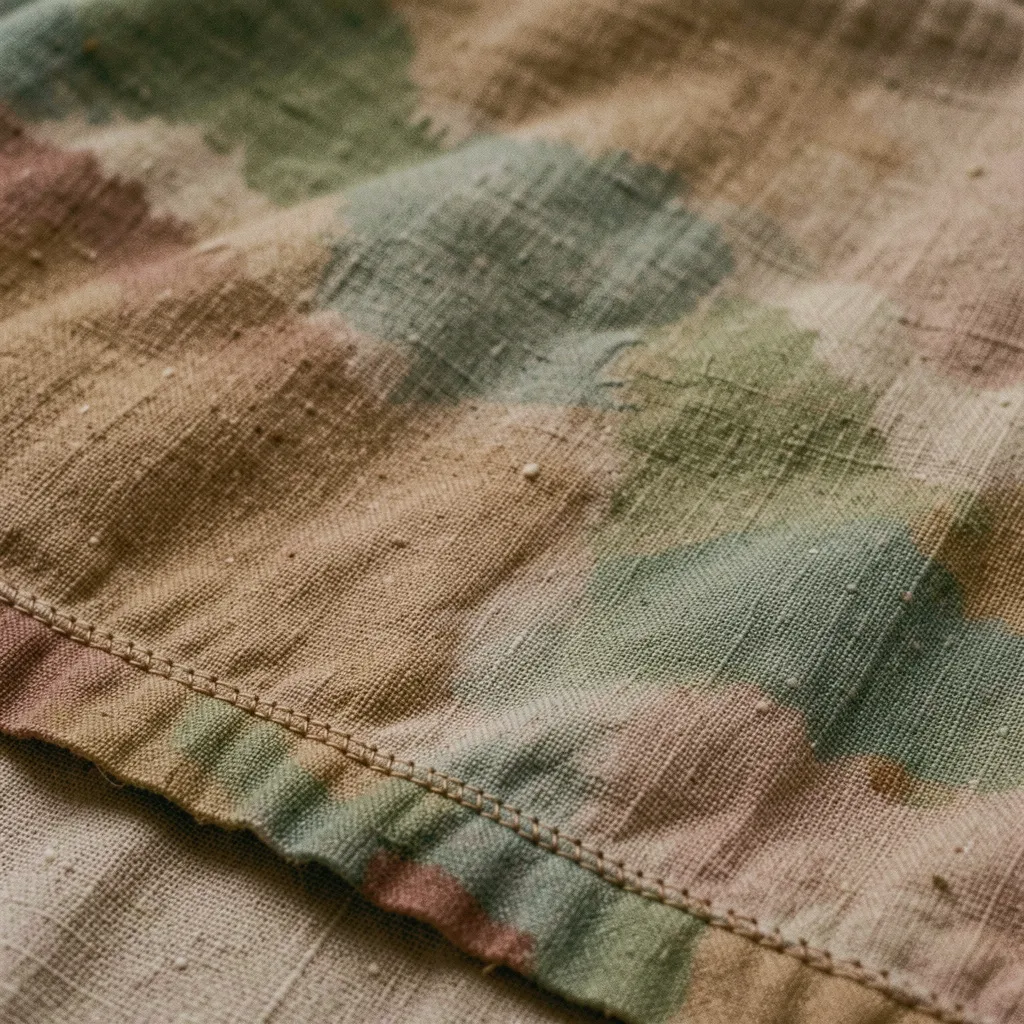
Understanding pH sensitivity allows for precise color control and the creation of gradient effects through controlled solution adjustments.
This knowledge enables dyers to achieve specific color outcomes while working exclusively with natural materials.
Standardized testing methods for color stability evaluation
Lightfastness ratings are determined through controlled exposure to standardized light sources over extended periods. Samples are evaluated at regular intervals to assess color change and fading characteristics.
Ratings range from 1 (poor lightfastness) to 10 (excellent lightfastness), providing clear guidance for appropriate use cases and care requirements.
These ratings help inform decisions about which dyes are suitable for items that will receive significant light exposure versus those intended for protected storage or display.