The Life Cycle

Maintaining and extending the life of naturally dyed textiles

Care Guidelines

Proper care helps preserve the unique colors and characteristics of naturally dyed textiles

Naturally dyed textiles require specific care practices to maintain their color integrity and extend their useful life. These guidelines are based on the lightfastness characteristics of botanical dyes and the properties of natural fibers.

Following these recommendations helps preserve the unique appearance and performance of your naturally dyed items over time.
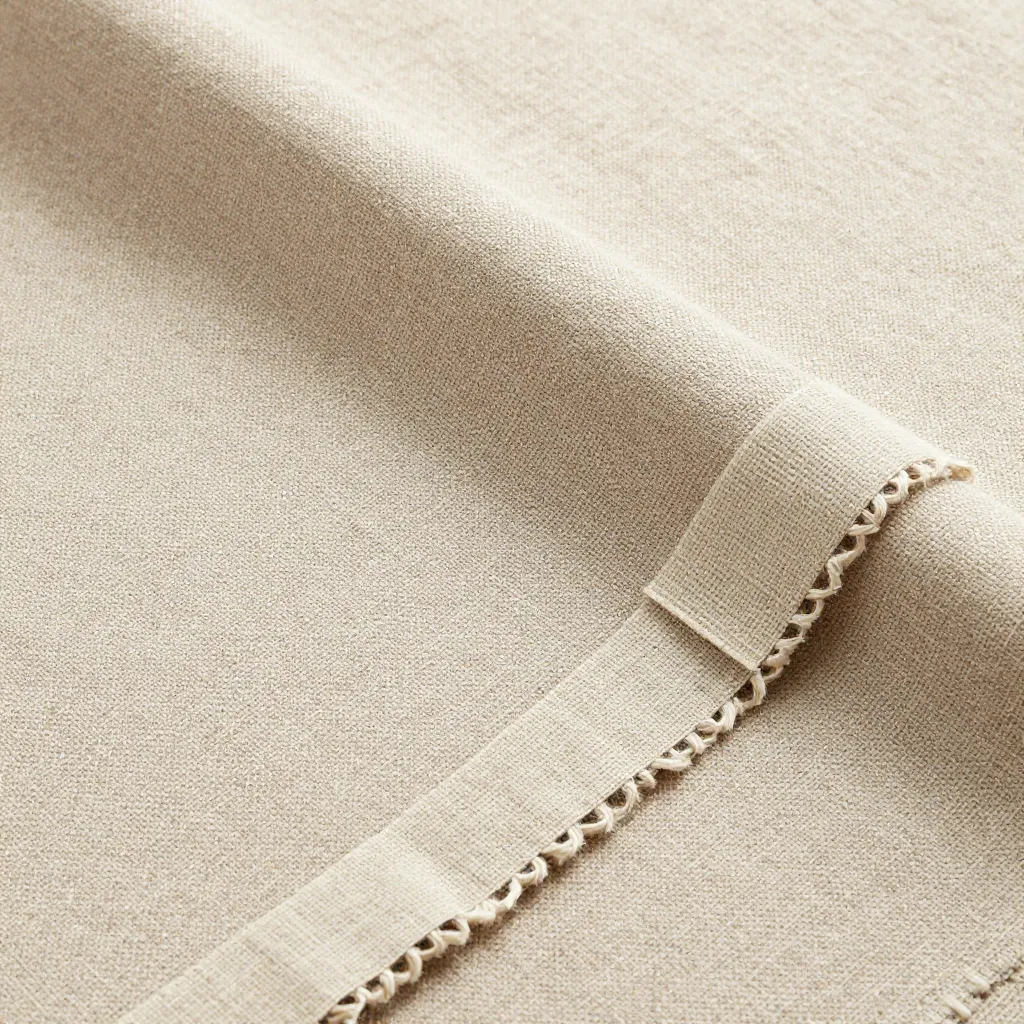
Essential Care Steps

Follow these practices to maintain your naturally dyed textiles

1

Washing Guidelines

Use cool or lukewarm water and mild, pH-neutral detergents. Avoid bleach and harsh chemicals that can damage botanical dyes. Hand washing is recommended for delicate items, while machine washing on gentle cycle is acceptable for sturdier fabrics.

Turn items inside out before washing to minimize friction and color loss. Wash similar colors together to prevent color transfer.

2

Drying Methods

Air drying away from direct sunlight helps preserve color intensity. Natural dyes can fade when exposed to prolonged direct sunlight, so choose shaded areas or indoor drying spaces.

If machine drying is necessary, use low heat settings. High heat can cause color fading and fiber damage in natural materials.

3

Storage Practices

Store naturally dyed textiles in cool, dry locations away from direct light. Use breathable storage containers or garment bags to prevent moisture buildup while allowing air circulation.

Avoid storing items in plastic bags or airtight containers, as these can trap moisture and promote mold growth or color degradation.

4

Light Exposure Management

Limit exposure to direct sunlight and strong artificial light sources. When displaying items, rotate them periodically to distribute light exposure evenly.

Consider UV-filtering window treatments or display cases for items that will be exposed to light for extended periods.

Re-Dye Service

Over time, naturally dyed textiles may experience color fading due to use, washing, or light exposure. Our re-dye service allows you to refresh faded items, extending their useful life and maintaining their unique character.

How It Works

Send your faded naturally dyed item to our facility. We assess its condition and determine the appropriate re-dyeing approach. The item is then refreshed using the same botanical dye methods, restoring its color while preserving its unique characteristics.

The re-dye process typically takes 2-3 weeks from receipt to return shipping.

Benefits

Re-dyeing extends the life of your textiles, reducing waste and supporting circular economy principles. This service maintains the natural, organic qualities of your items while refreshing their appearance.

Items that have been re-dyed retain their original character while gaining renewed color intensity and visual appeal.

Contact Us About Re-Dye Service

Common Questions

Addressing frequently asked questions about caring for naturally dyed textiles

Color Variation

Natural dyes exhibit inherent color variation due to botanical source differences, processing conditions, and fiber characteristics. This variation is expected and contributes to the unique character of naturally dyed textiles.

Fading Over Time

Some color fading is normal with use and exposure. The rate of fading depends on the specific dye used, lightfastness rating, and care practices. Our re-dye service can restore faded items when desired.

Color Transfer

Newly dyed items may release small amounts of color during initial washes. This is normal and typically decreases after a few wash cycles. Wash similar colors together and avoid mixing with light-colored items initially.

Stain Removal

Treat stains promptly with gentle methods. Avoid harsh stain removers that may damage botanical dyes. Test any cleaning method on an inconspicuous area first to ensure colorfastness.

Maximizing Longevity

Additional practices to extend the life of your naturally dyed textiles

Proper storage of natural textiles

Best Practices

Regular, gentle care helps maintain both color and fiber integrity. Avoid excessive washing when possible, and address stains promptly to prevent setting.

Rotate items in regular use to distribute wear evenly. For stored items, periodic airing helps prevent mustiness and maintains fabric condition.

Document care instructions for each item based on its specific dye and fiber composition. This personalized approach ensures optimal maintenance throughout the item's life cycle.