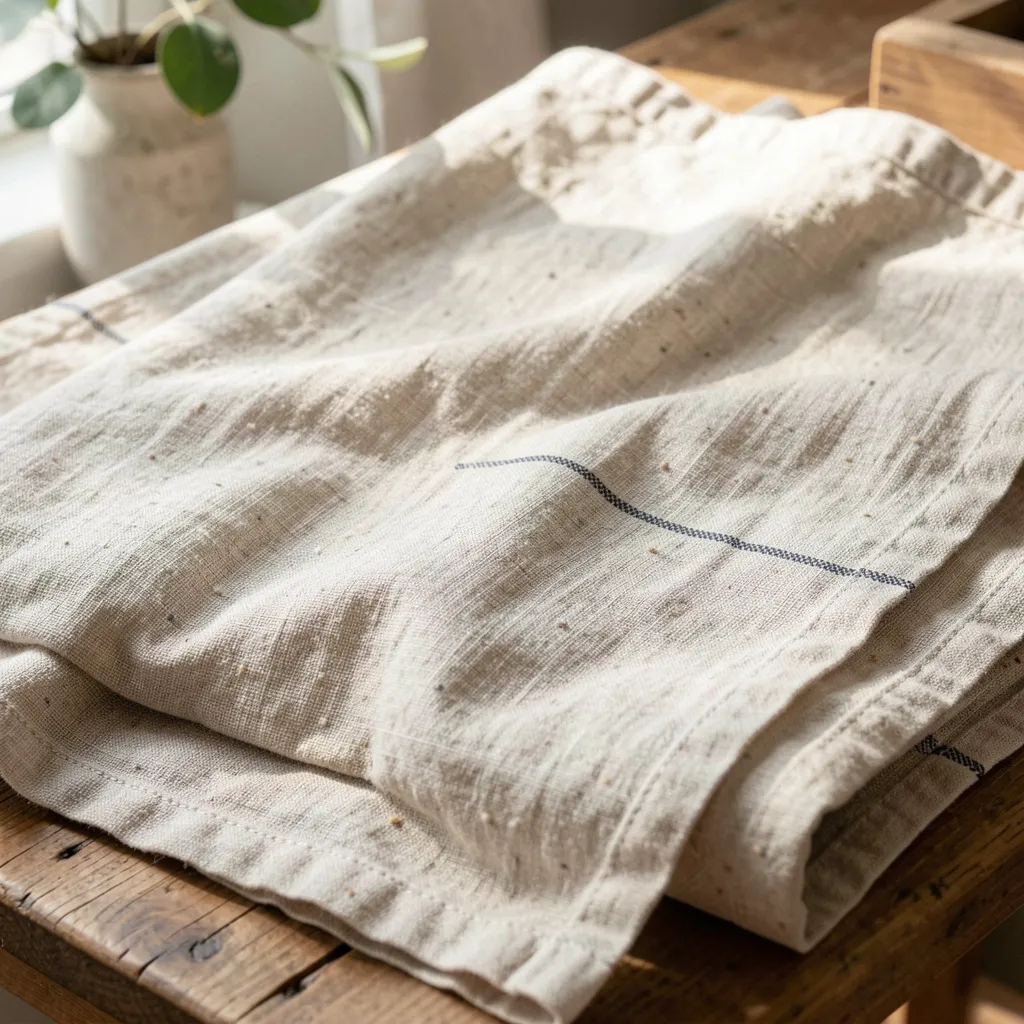
Natural Dye Innovation

Exploring sustainable textile solutions through botanical color science and organic dyeing processes

Explore Pigments

Botanical Color Science

Our approach combines traditional plant-based dyeing methods with contemporary understanding of color chemistry and fiber interaction
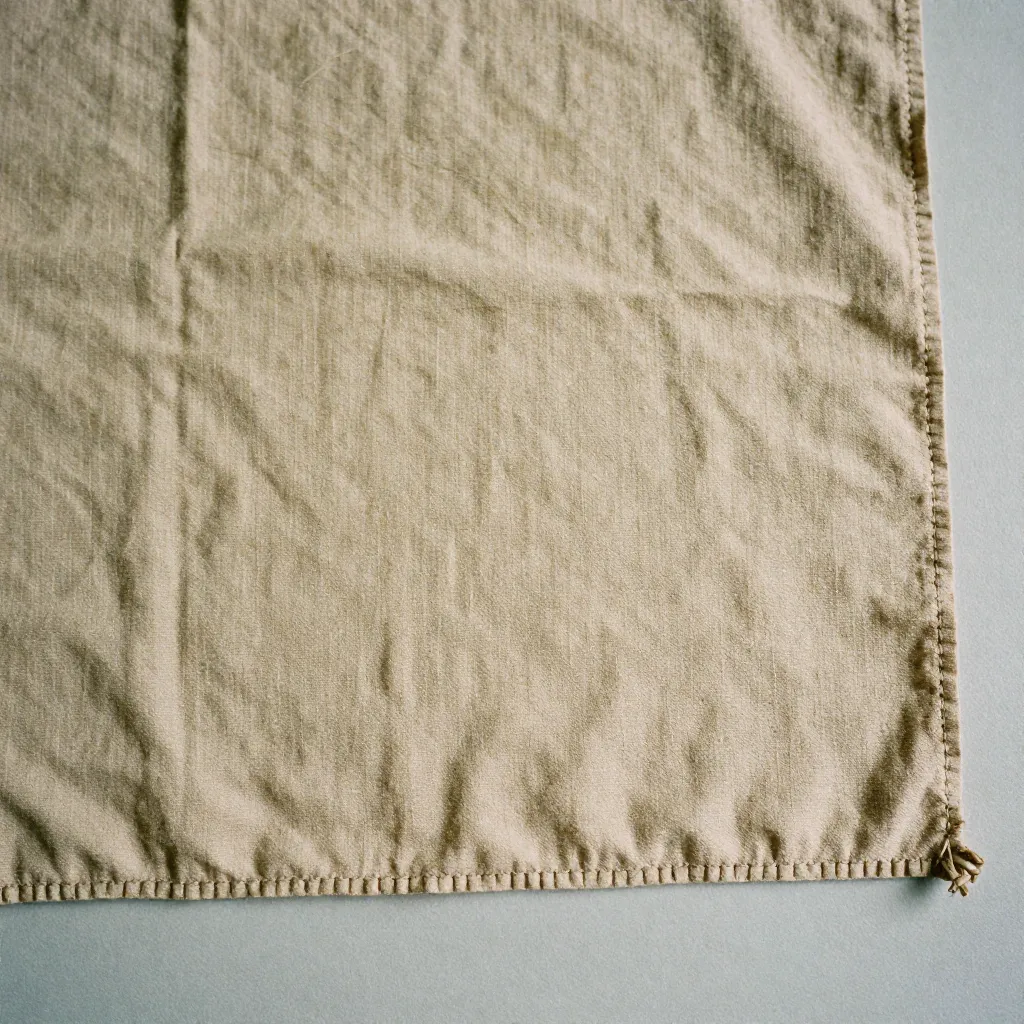
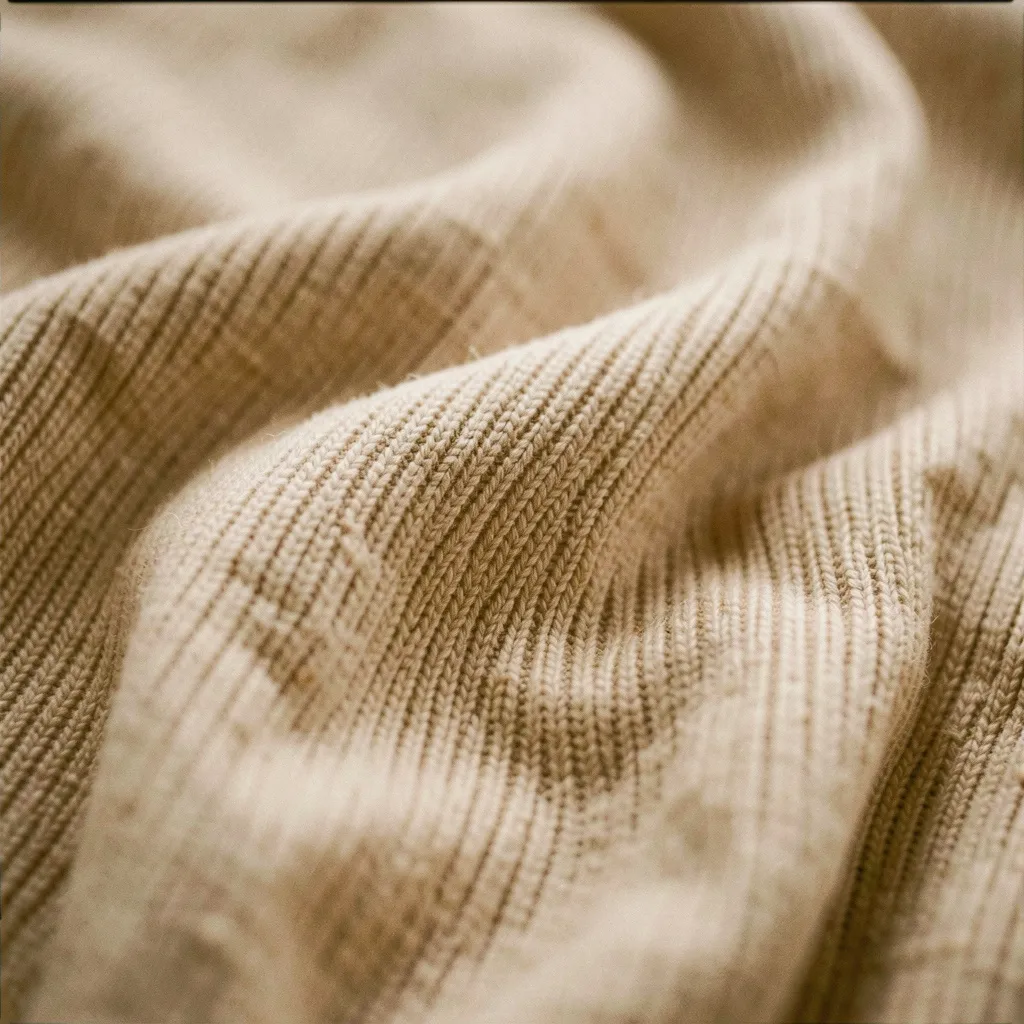
Textile sample with natural indigo dye

Plant-Based Pigments

Each color originates from carefully selected botanical sources, creating unique palettes that reflect natural variation and seasonal availability
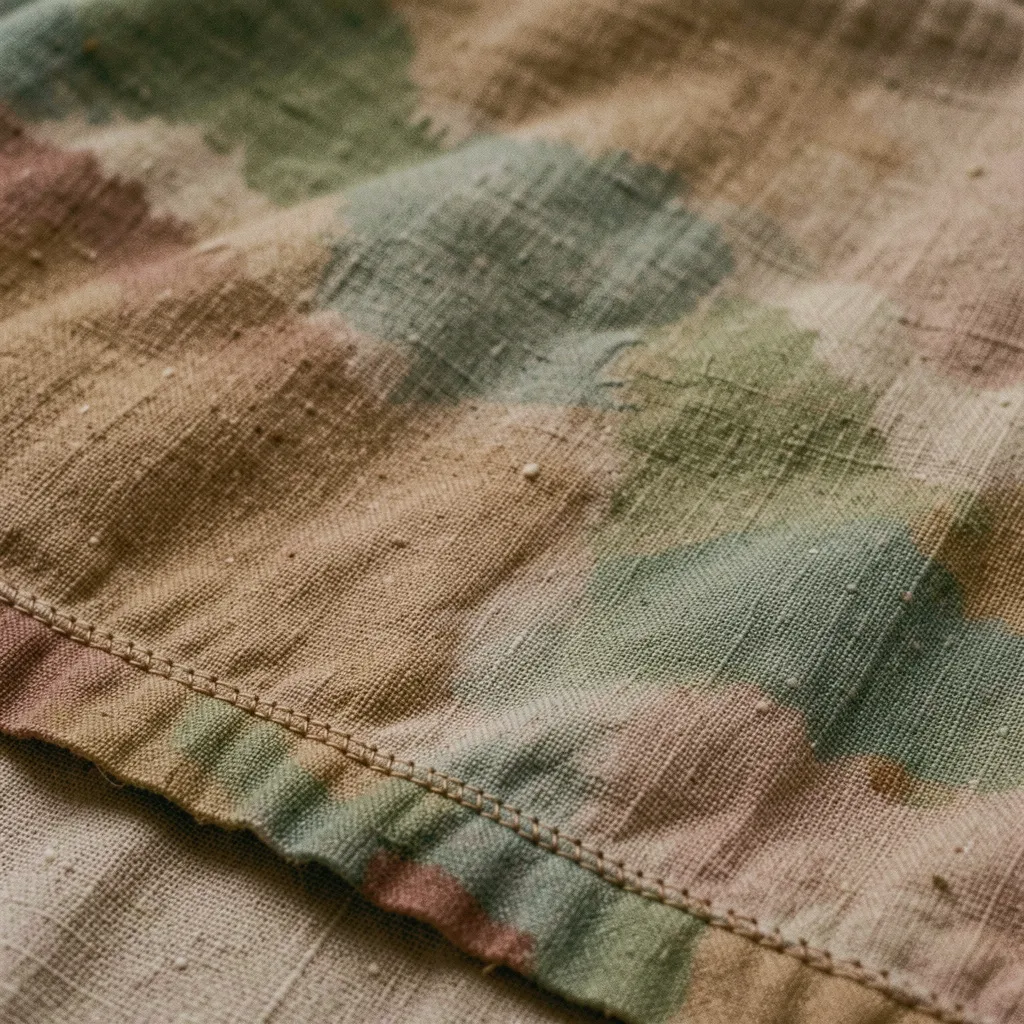
Eco-friendly textile production process

Sustainable Methods

Our dyeing processes prioritize water conservation, waste reduction, and the use of renewable resources throughout the production cycle
Color Extraction Process

Understanding how botanical materials transform into lasting textile colors

Raw botanical materials for dyeing

Material Selection

Sourcing plant materials with optimal color potential and compatibility with natural fiber substrates

Natural dye preparation in vat

Extraction Techniques

Temperature-controlled extraction methods that preserve color compounds while maintaining environmental standards

Textile being dyed with natural colors

Fiber Application

Precise application methods that ensure even color distribution and optimal absorption into natural fiber structures

Advanced Color Chemistry

Scientific principles behind natural dye performance and colorfastness

pH Sensitivity

Many botanical dyes exhibit color shifts based on solution acidity. Anthocyanin-based colors can transition from vibrant pink to deep green depending on pH levels, demonstrating the chemical complexity of natural pigments.

This variability allows for expanded color ranges from single plant sources through controlled environmental adjustments.

Lightfastness Analysis

Each botanical dye undergoes standardized testing to determine color stability under various light conditions. Results inform appropriate use cases and care recommendations for dyed textiles.

Documentation includes specific lightfastness ratings and preservation guidelines for maintaining color integrity over time.

Fiber Compatibility

Understanding how different natural fibers interact with botanical dyes

Cotton fabric with natural dye

Cellulose Fibers

Cotton, linen, and other plant-based fibers require specific mordanting techniques for optimal color retention

Natural textile sample

Protein Fibers

Silk and wool have different absorption characteristics that influence dye selection and application methods

Eco-friendly textile material

Blended Materials

Combined fiber types present unique challenges and opportunities for creating multi-tonal color effects

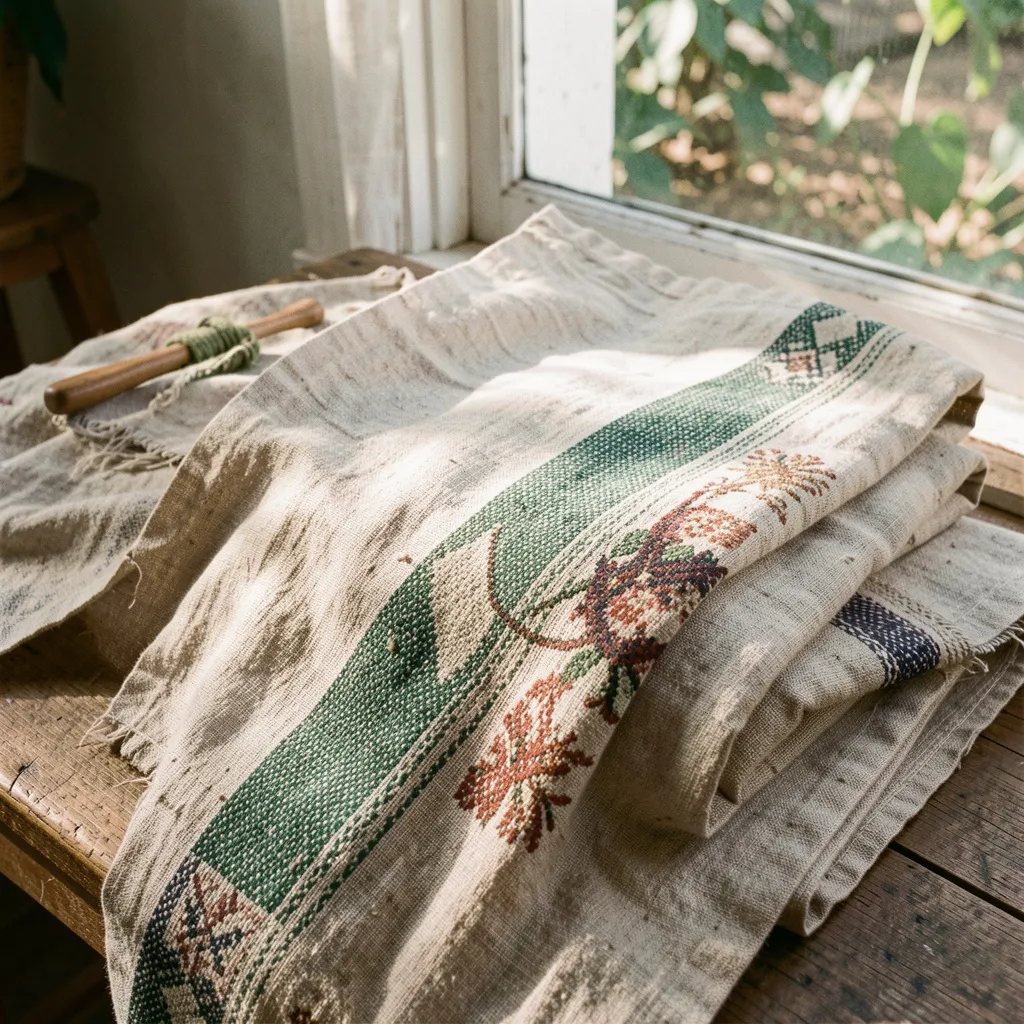
Sustainable textile production

Testing Protocols

Systematic evaluation ensures consistent results across different fiber types and dye combinations

Sustainability & Transparency

Our commitment to sustainable practices and complete supply chain traceability

Water Management

Efficient water use and treatment systems minimize environmental impact while maintaining production quality standards

Waste Reduction

Spent plant materials are composted or repurposed, creating a circular approach to resource utilization

Source Transparency

Complete traceability from botanical source to finished textile with comprehensive documentation

View Map

We use cookies and similar technologies to enhance your browsing experience and analyze site traffic. By continuing to use this site, you consent to our use of cookies.